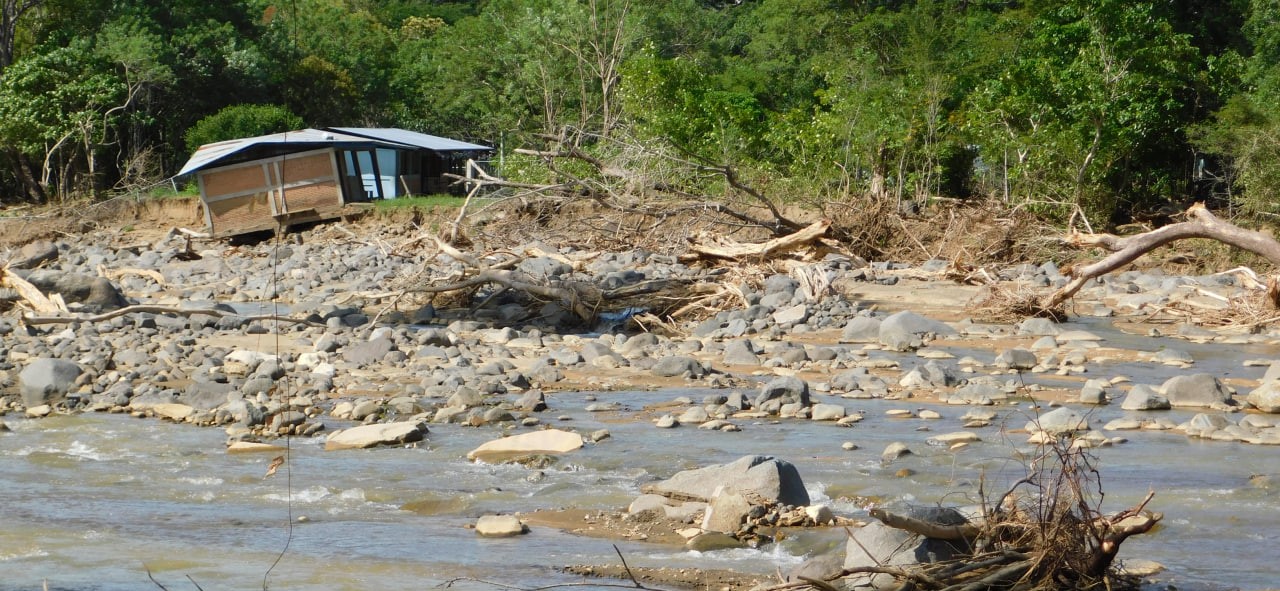
Nicaragua: The Devastating Hurricanes Eta and Iota in November 2020
How Nicaragua Rebuilt Lives and Homes Through Solidarity After Hurricanes Eta and Iota
In November 2020, Central America witnessed a natural disaster that left a trail of destruction and devastation. More than 6.5 million people were affected by these unprecedented weather events, whose impacts continue to resonate in the hardest-hit communities. Nicaragua was one of the countries most severely affected by Hurricanes Eta and Iota, which struck the region with devastating force.
Read more: Nicaragua: The Devastating Hurricanes Eta and Iota in November 2020
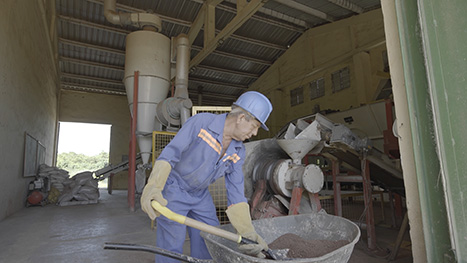
LC3 in Costa Rica: A Cement That Emits 40% Less CO₂
The Planet Needs a New Cement
It is estimated that 8% of global CO₂ emissions come from cement production. Some sources even report that up to 10% of the most important greenhouse gas is emitted during the manufacturing process. Concrete is the most widely used construction material in the world, and its consumption continues to grow exponentially due to global housing and urbanization needs.
Read more: LC3 in Costa Rica: A Cement That Emits 40% Less CO₂
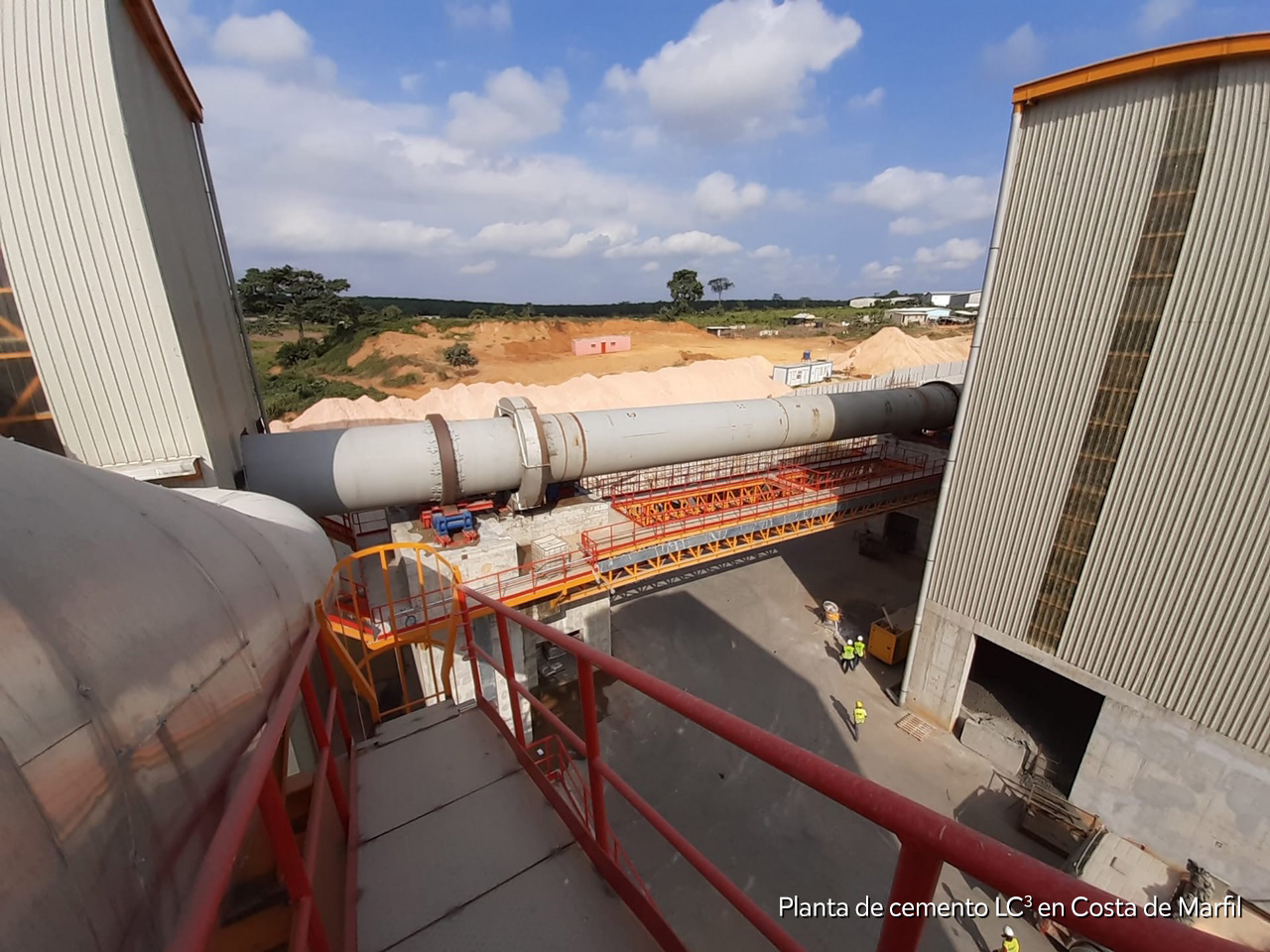
COP 27: Calcined Clay Cement Is a Game Changer
How LC³ Can Reduce CO₂ Emissions in Cement Production by Up to 40%
The 27th United Nations Climate Change Conference (COP 27) has begun in Egypt. Progress since COP 26 has been minimal, commitments have not been fulfilled, and climate change continues to advance. There are few effective measures that can be implemented quickly. LC³ technology, which helps reduce CO₂ emissions from cement production, is one of the most promising solutions.
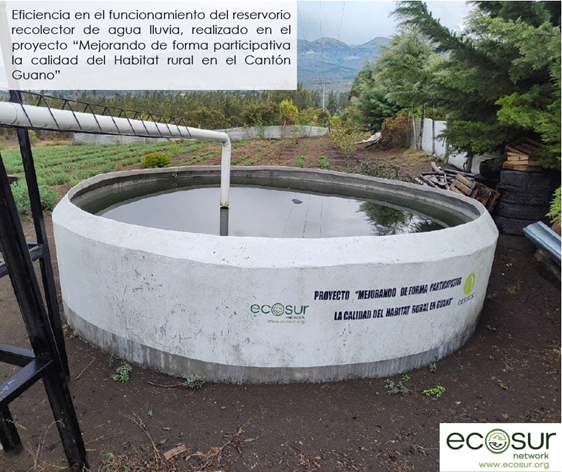
Rainwater Harvesting Reservoirs
Turning Rainwater into a Sustainable Water Source for Rural Communities
For many people, accessing water for drinking when they are thirsty or for washing their hands is something they take for granted. However, this is an extremely difficult reality for millions of people around the world who suffer from water scarcity. Water scarcity is one of the greatest challenges facing our planet, and its consequences are already evident in drought, migration, and desertification.
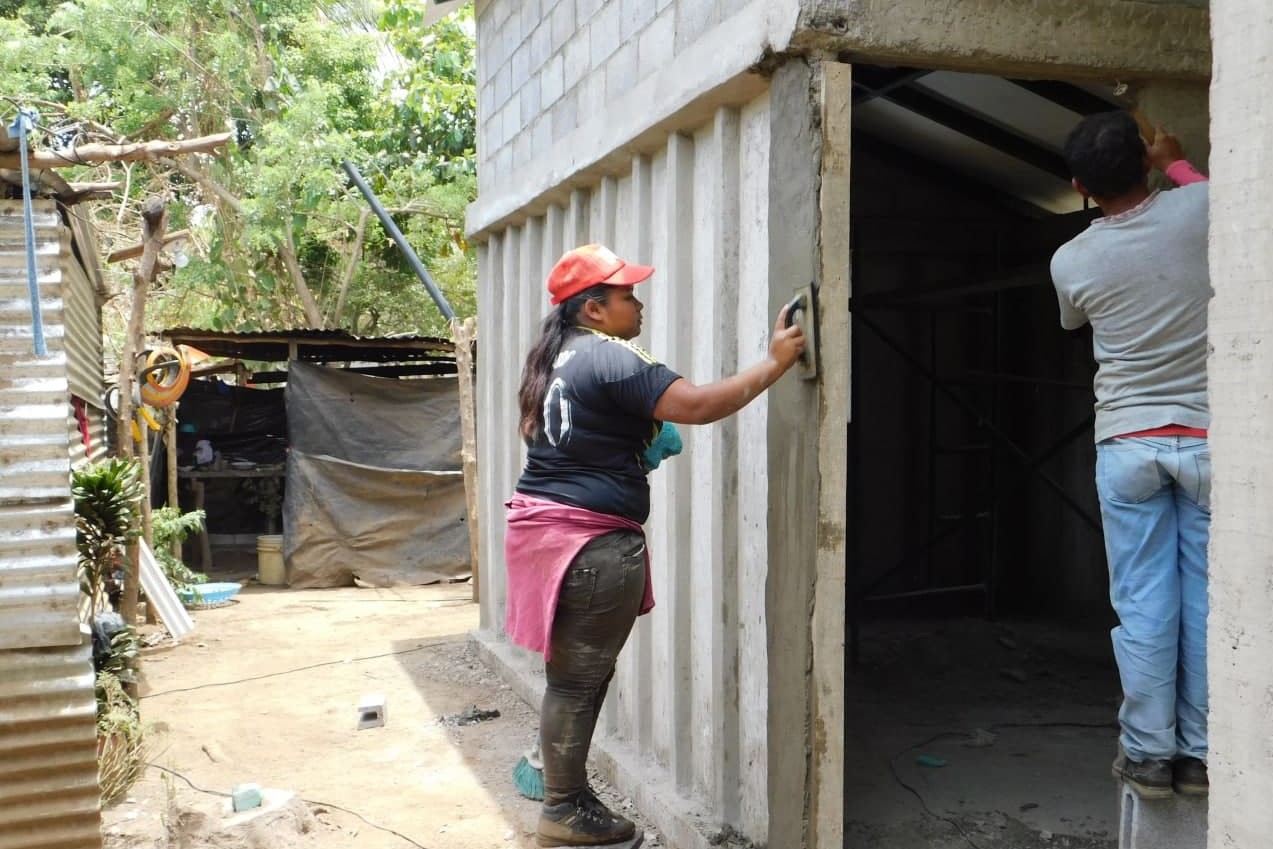
Breaking Barriers: The First Female Mason in Her Community
How A Young Woman From Rural Nicaragua Challenged Gender Stereotypes Through Dual Education And Construction Training
In the community of Los Ampié, located in the department of Masaya, as in many rural communities across Nicaragua, women have limited opportunities for their future. A high percentage become homemakers, while others move to the city in search of employment opportunities.
Read more: Breaking Barriers: The First Female Mason in Her Community
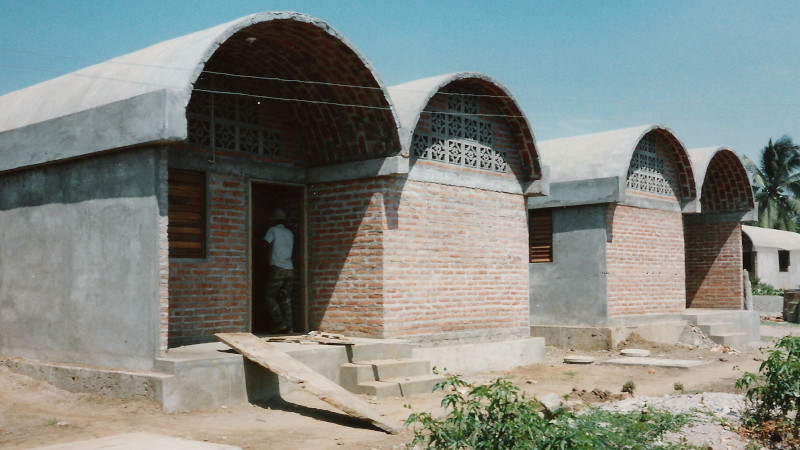
Grupo Sofonias: 40 Years of Work
Four Decades Of Commitment To Community Development, Sustainable Construction And Improving Living Conditions In Central America
Grupo Sofonias was formally established in Nicaragua in 1983, when its first bylaws were drafted. However, its origins date back to early 1979 in Guatemala. Two employees of Caritas Guatemala decided to explore a new way of working to support people in need, in a more suitable environment.