LC3: Low-Carbon Cement for Sustainable Construction
An innovative alternative to traditional cement
LC3 (Limestone Calcined Clay Cement) is an innovative cement developed to reduce the environmental impact of conventional cement production. It combines clinker, calcined clay and limestone, replacing part of the clinker traditionally used in Portland cement.
This technology offers an opportunity to produce more sustainable construction materials while maintaining good technical performance.
Reducing CO₂ emissions
One of the main advantages of LC3 is its potential to reduce carbon dioxide emissions by up to 40% compared with conventional cement. This reduction is achieved by using less clinker, whose production requires high temperatures and generates significant CO₂ emissions.
Another important benefit is the use of clay and limestone, materials that are widely available in many countries. This makes LC3 a promising alternative for regions seeking to develop more sustainable and locally based construction industries.
Research, training and international collaboration
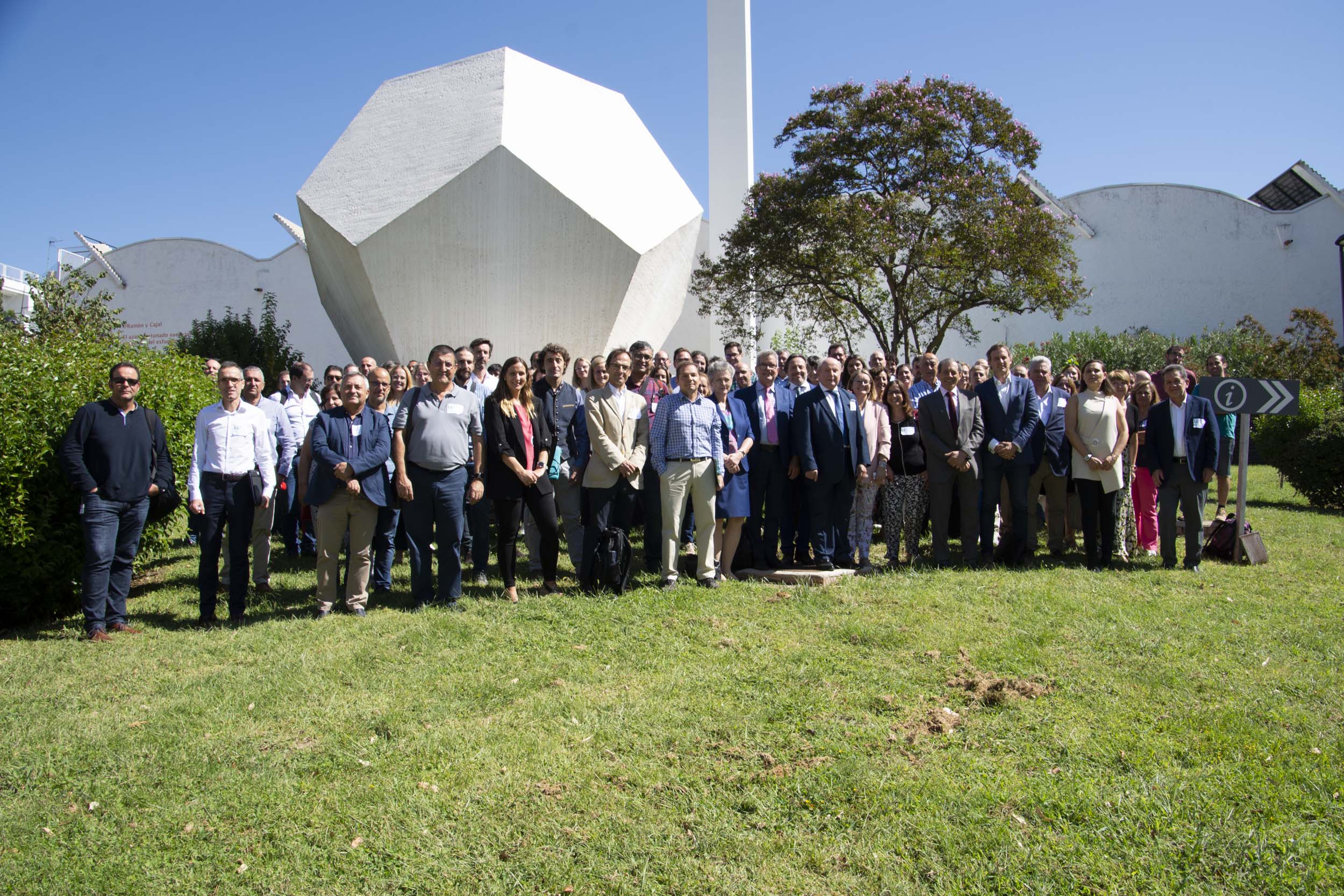
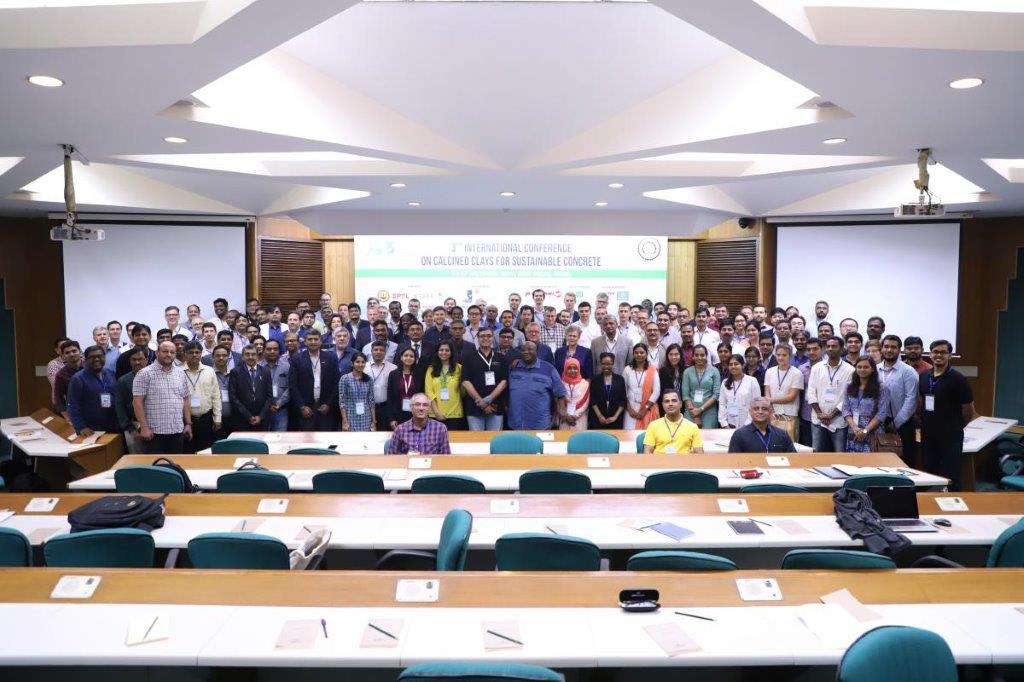
EcoSur has been involved in promoting sustainable cement technologies through research, technical cooperation and knowledge exchange. Its work around LC3 includes collaboration with universities, specialists and institutions in different countries.
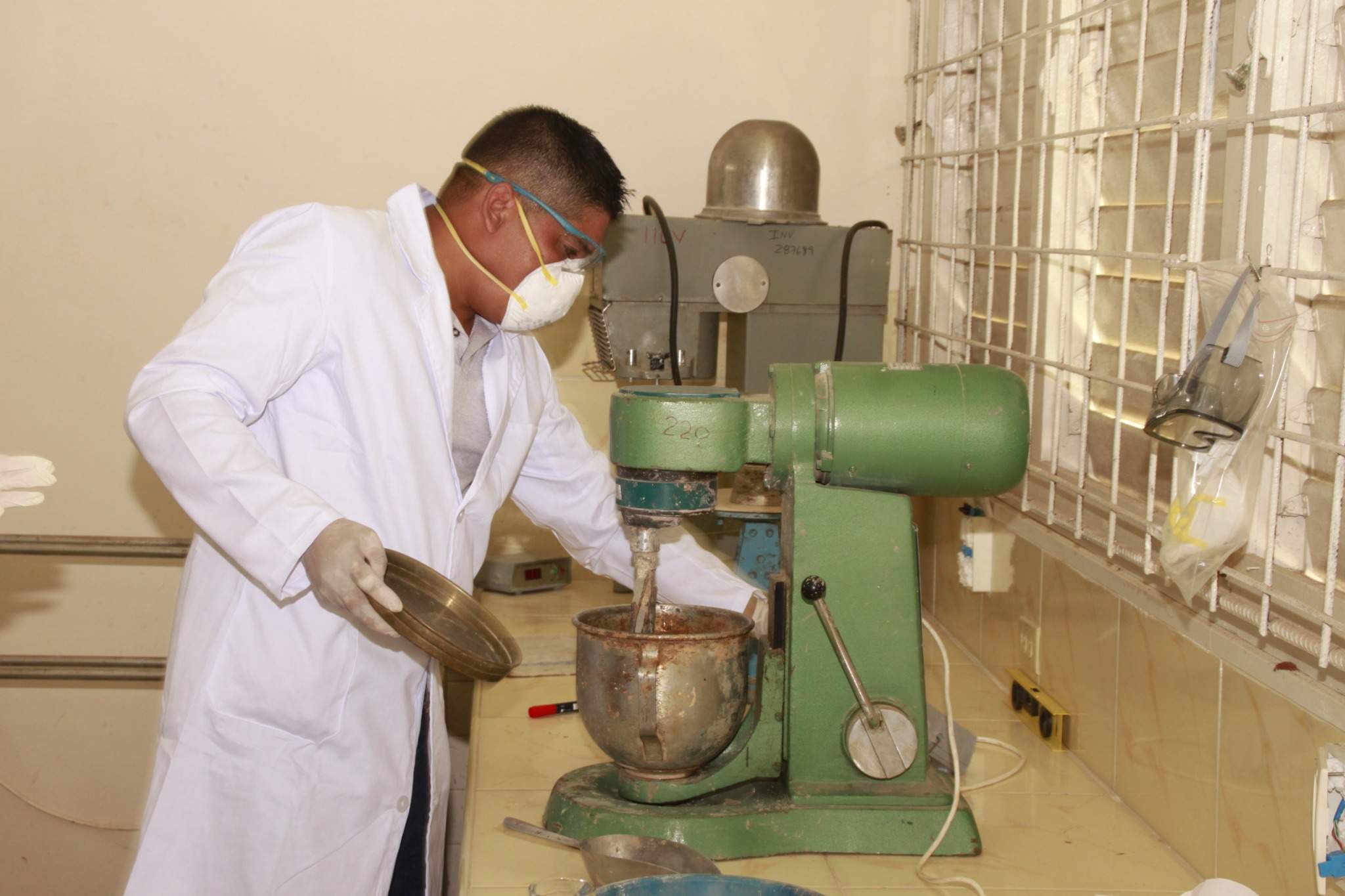
Practical workshops and training activities have helped participants understand the production process, including raw material selection, clay calcination, grinding and cement preparation. These experiences contribute to building local technical capacity and encouraging the adoption of this technology.
From research to practical applications
LC3 has attracted interest in several countries, including Cuba, Colombia, Costa Rica, Mexico, Uruguay and Senegal. Research projects, technical studies and production initiatives are helping demonstrate its potential under different local conditions.
For EcoSur, LC3 represents an important step toward more responsible construction: reducing the carbon footprint of building materials, making better use of local resources and supporting innovation in the construction sector.