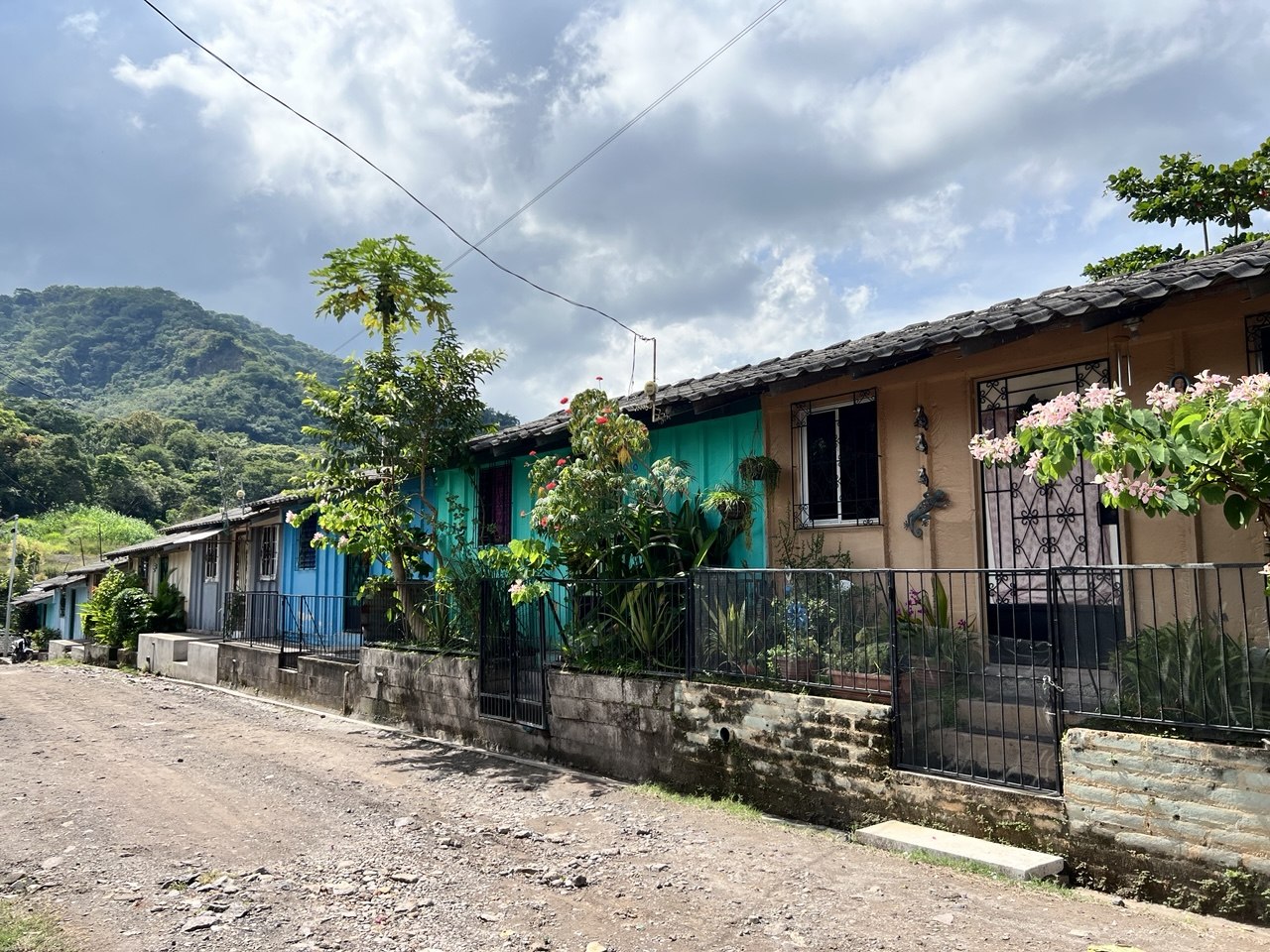
Ferrocement Panels: An Innovative Solution for Sustainable Housing
Affordable, durable and adaptable construction technology for housing and post-disaster reconstruction.
What is Ferrocement?
Ferrocement is a thin reinforced cement-based material made using a combination of cement mortar, steel bars and wire mesh. Its versatility allows it to be manufactured into lightweight, prefabricated elements that can be used in different types of construction.
The EcoSur Network promotes a construction system based on prefabricated Ferrocement Panels (PFC), developed in Cuba during the 1980s by engineer Hugo Wainsthok. The system was adapted to produce structural wall and roofing elements that can be manufactured locally and assembled on site.
Unlike conventional construction methods, this technology does not require complicated industrial equipment or large production facilities.
Applications in Housing and Construction
Ferrocement panels offer an alternative for building affordable and durable housing. Their main applications include:
-
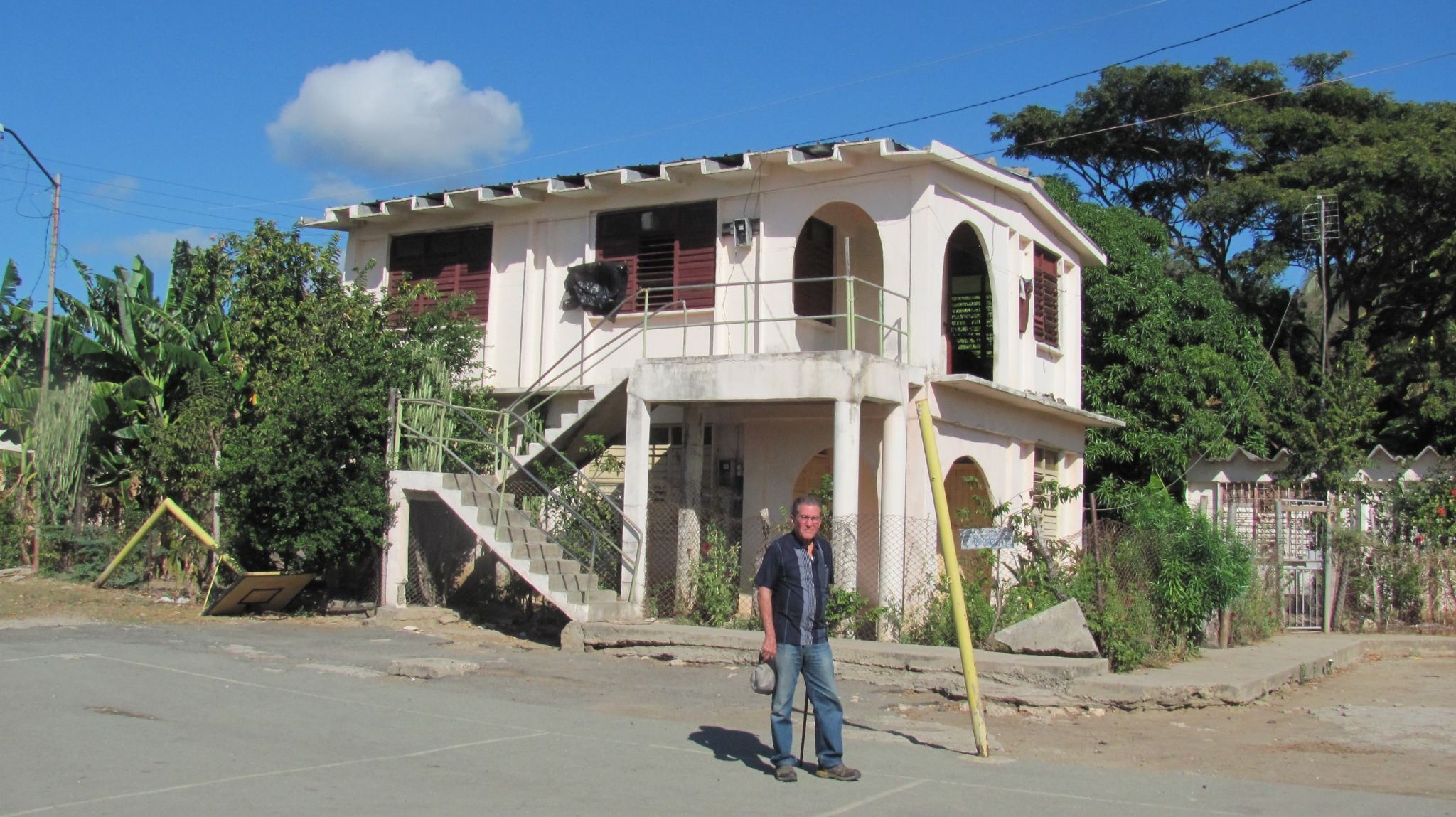
Residential buildings: construction of walls and structural elements for one- and two-storey houses.
-
Emergency housing: rapid construction of basic shelters in communities affected by natural disasters.
-
Community buildings: construction of facilities such as community centres and other public-use buildings.
-
Floor and roofing elements: panels can also be adapted for slabs and other building components, depending on their design and structural requirements.
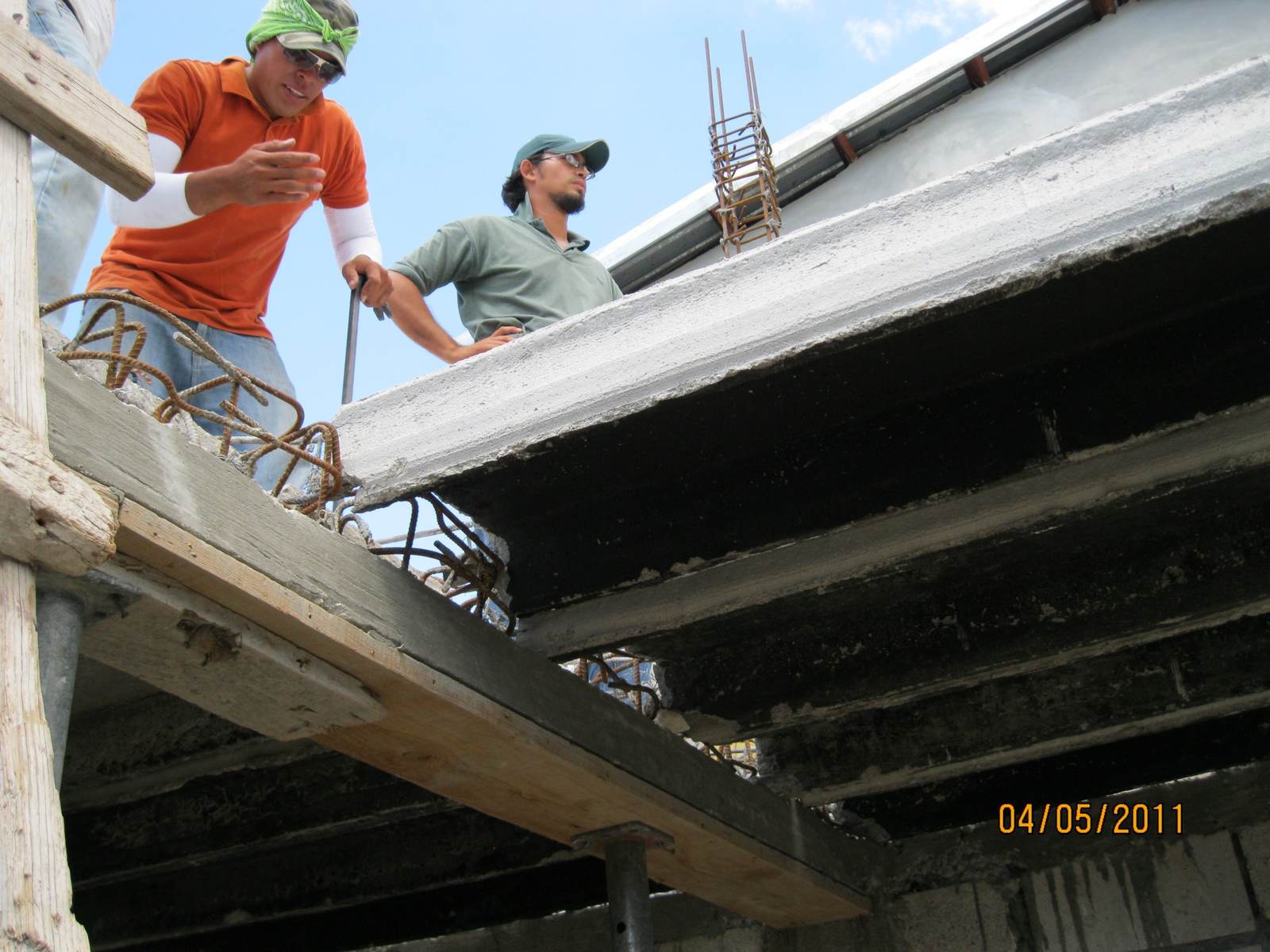
The system allows construction work to be organized around locally manufactured components, reducing dependence on complex machinery and industrial production.
International Experience: Countries Applying the Technology
The EcoSur Network has promoted the development and application of Ferrocement Panels in several countries, sharing knowledge and supporting local production initiatives.
Cuba: The technology was developed during the 1980s as an alternative for affordable housing. It has been used in housing projects, including two-storey buildings, and has been documented as an important construction experience.
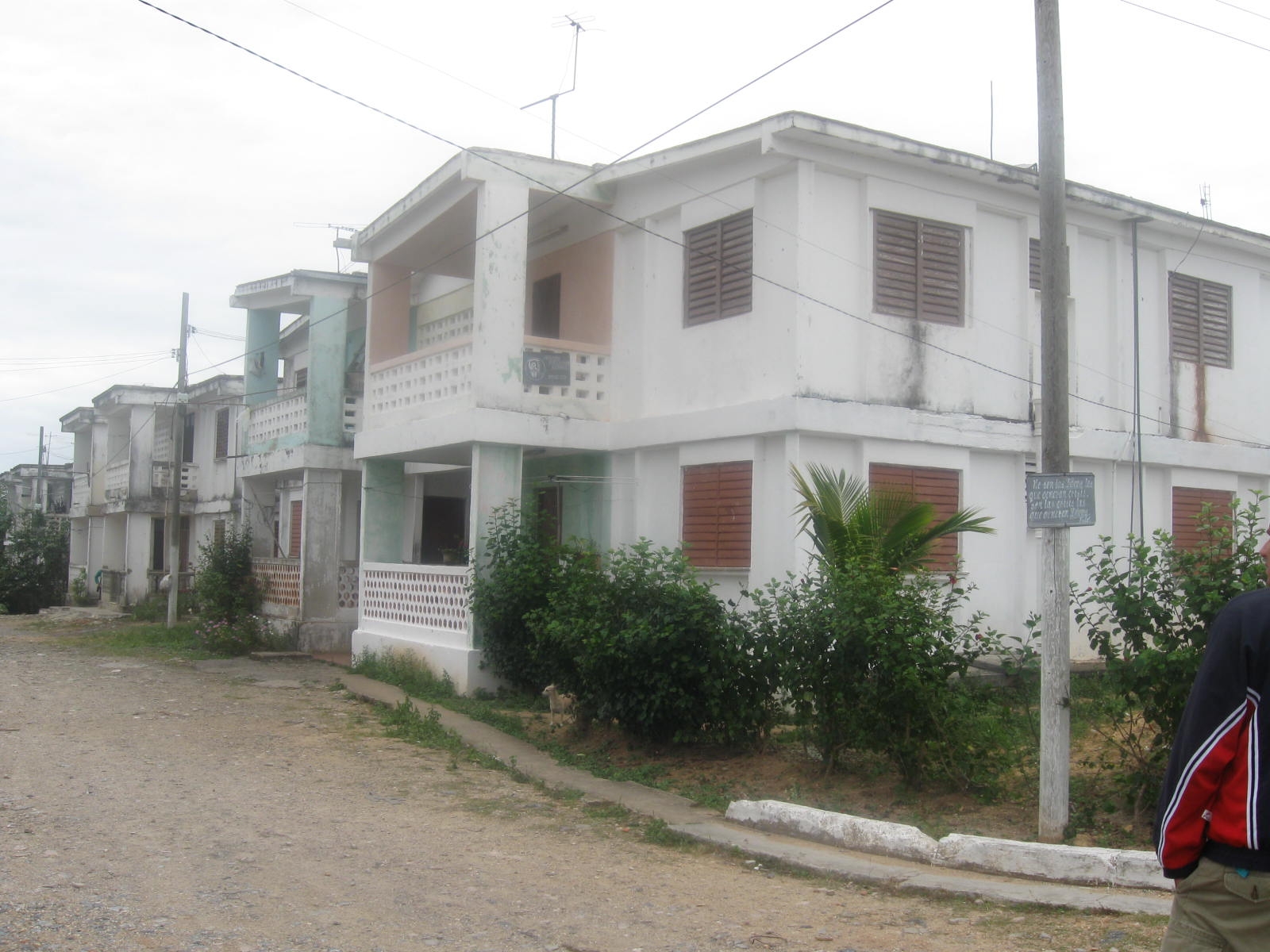
Nicaragua: EcoSur partners have produced and applied Ferrocement Panels since 1991, following the introduction of the technology by the Cuban partner CECAT. Production, testing and construction experience have contributed to its development and adaptation.
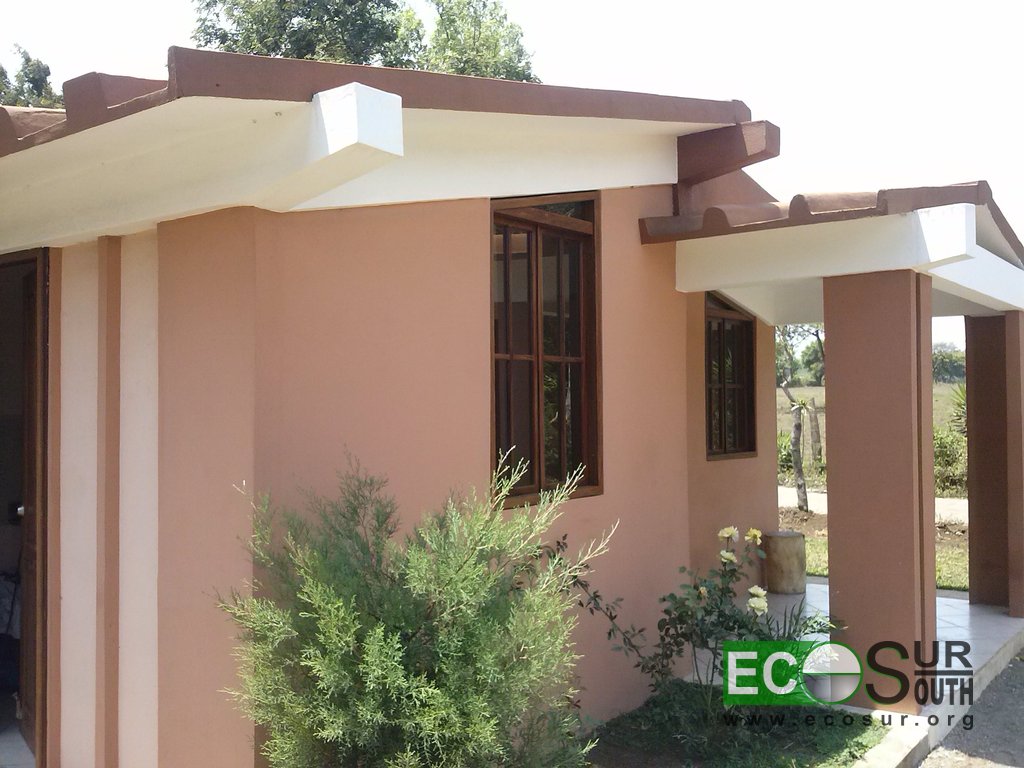
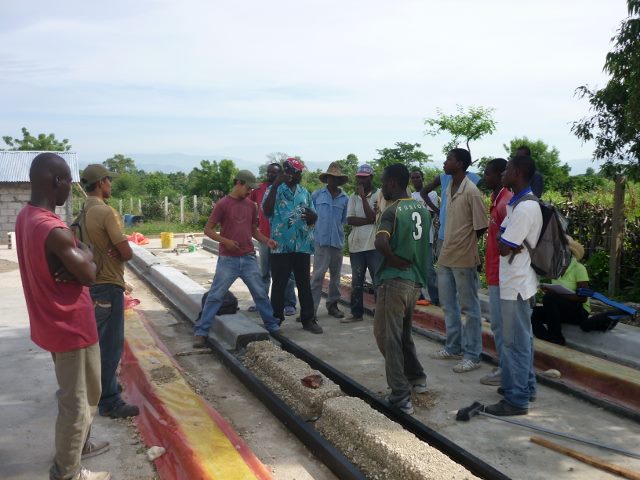
Haiti: Following the 2010 earthquake, EcoSur supported the establishment of a workshop in Port-au-Prince to manufacture Ferrocement Panels and MicroConcrete Roofing Tiles. The initiative trained local workers, including women and men, to produce construction materials and participate in housing reconstruction.
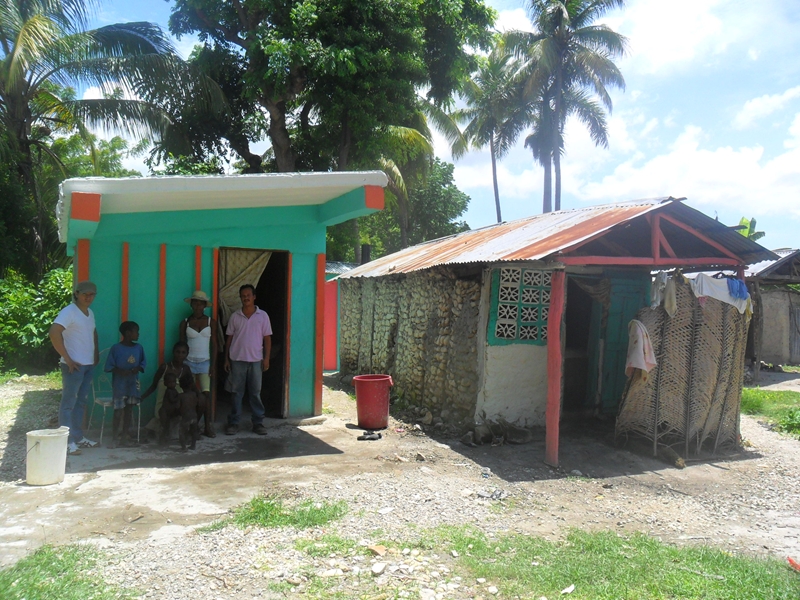
Dominican Republic: The technology has been used in residential developments, including two-storey houses, apartment buildings and social housing initiatives. Academic studies have also evaluated the structural performance of houses built with these panels.
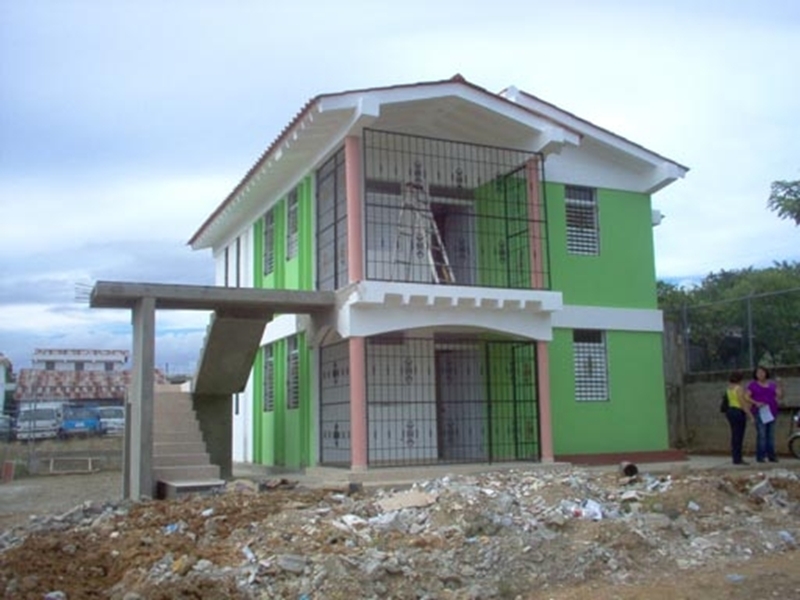
Ecuador: Production of Ferrocement Panels was introduced and monitored through local initiatives, extending the network's experience with this technology.
El Salvador: Ferrocement technology has also been applied in housing construction, alongside the development of local workshops that strengthen technical skills and promote community-based production.
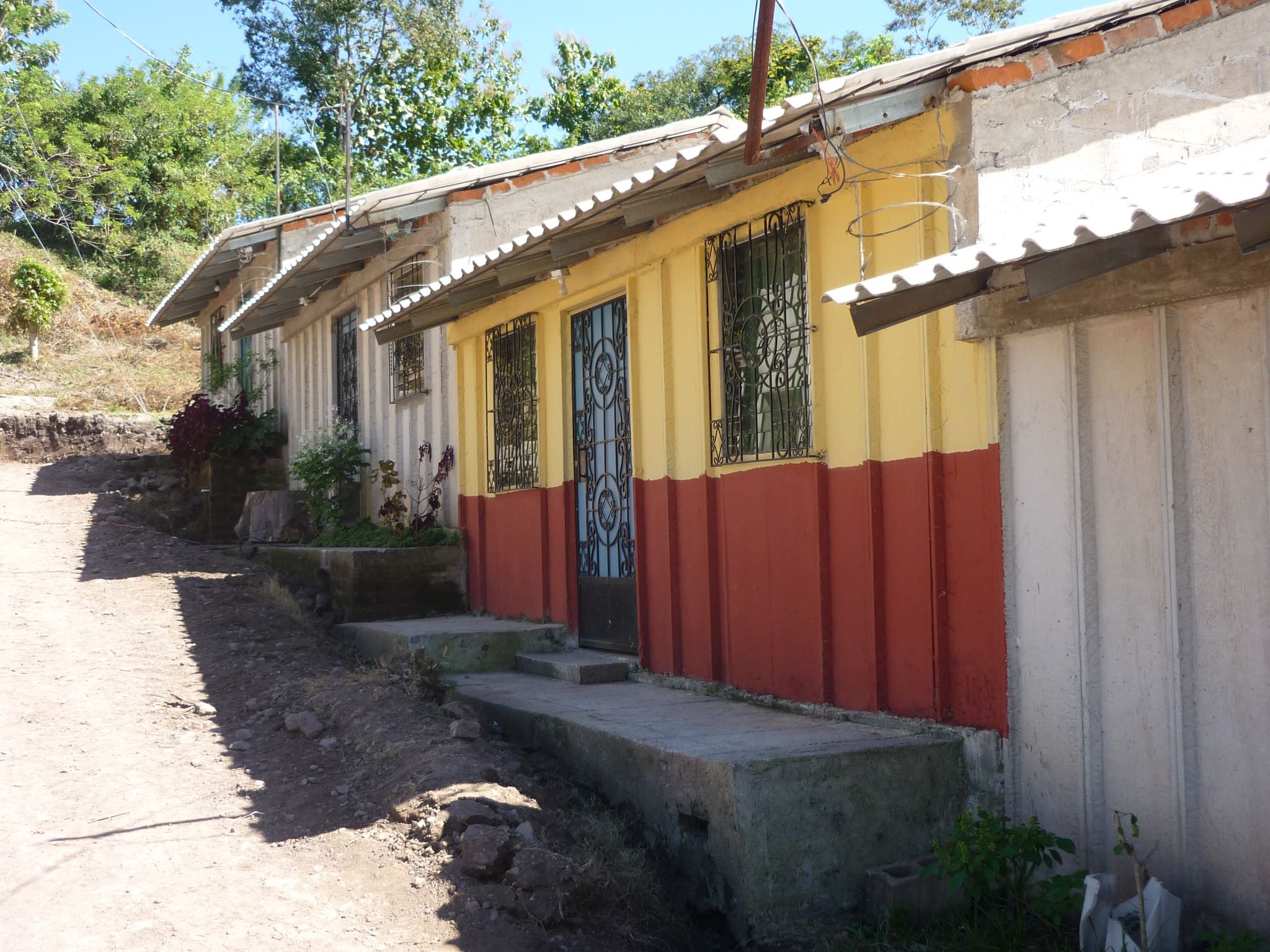
Additionally, training in Nicaragua helped transfer knowledge to projects in Kenya, Africa, demonstrating the potential for international technology transfer.
Workshops, Training and Local Production
One of the most important aspects of this technology is that it can be produced through small, decentralized workshops.
These workshops create opportunities for local employment, skills development and the growth of small construction enterprises. Workers learn how to prepare the materials, manufacture the panels, control production quality and assemble the components on site.
In Haiti, for example, the production workshop was established not only to support reconstruction but also to train local people in construction skills. In Nicaragua, the technology has also been connected to vocational training and the Dual Education programme for masons.
Performance and Construction Advantages
Ferrocement Panels offer several advantages when properly designed, manufactured and installed:
-
Efficient use of materials: optimized use of cement, sand and steel.
-
Local production: manufacturing can take place close to construction sites.
-
Fast assembly: prefabricated panels reduce construction time.
-
Reduced equipment requirements: production does not depend on complex industrial machinery.
-
Adaptability: panels can be designed for different building configurations.
-
Employment opportunities: workshops encourage local skills and small-scale enterprises.
The technology has also been evaluated through academic research. Studies conducted by INTEC in the Dominican Republic and CUJAE in Cuba examined the performance of houses built with Ferrocement Panels, highlighting their potential in earthquake- and hurricane-prone regions.
As with any structural system, safety depends on appropriate engineering design, quality control, foundations, connections and compliance with local construction requirements.
EcoSur's Commitment to Technology Transfer
For the EcoSur Network, Ferrocement is more than a construction material. It is part of an approach that connects applied research, practical training, local production and affordable housing.
By sharing technical knowledge and supporting local workshops, EcoSur promotes solutions that can be adapted to different social, economic and environmental conditions.
The experience developed in Latin America and extended to other regions demonstrates how appropriate construction technologies can contribute to stronger local capacities and more sustainable communities.