
Connecting Knowledge For Sustainable Housing: Results Of The VIS 4.0 Study In Three Climate Zones Of Colombia
In June 2024, Grupo Sofonías conducted the study “Connecting Knowledge: Transfer of Swiss knowledge and expertise to strengthen capacities in the design and development of sustainable social housing among stakeholders in the construction value chain in Colombia.”
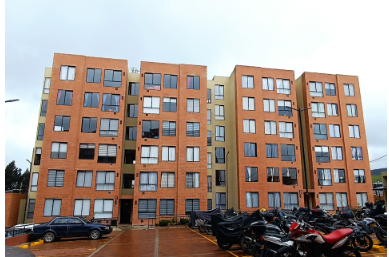
Bogotá Case Study
This study was part of the activities of the Colombia–Switzerland Sustainable Construction Roundtable and the Colombia + Competitive Program, funded by the State Secretariat for Economic Affairs (SECO) and facilitated by the Swiss Foundation for Technical Cooperation – Swisscontact.
The main objective was to define sustainability parameters applicable to social interest housing (VIS) in three climate zones of the country, through the analysis of existing housing projects:
-
Cold climate: Bogotá
-
Warm, humid climate: Barranquilla
-
Temperate climate: Medellín
Case Studies
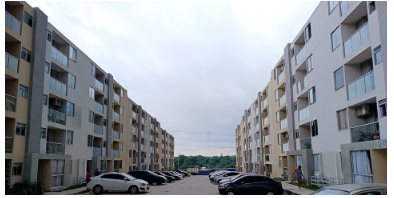
Barranquilla Case Study
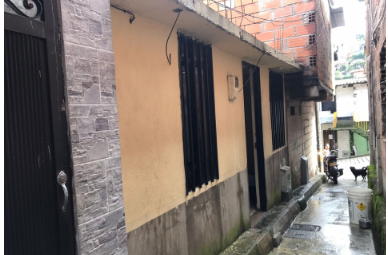
Medellín Case Study
To evaluate hygrothermal performance and comfort conditions in each climate zone, variables such as temperature, relative humidity, and air velocity were monitored.
These measurements were complemented by interviews with residents, making it possible to compare and validate quantitative data against the perceptions and experiences of the inhabitants.
The study involved the active participation of various key stakeholders: construction material suppliers, academic institutions, renewable energy organizations, construction companies, and social organizations.
Following the analysis of comfort conditions in the three case studies, design recommendations and specific improvement opportunities were developed for each climate context. These proposals aim to improve thermal comfort and residents' well-being while reducing dependence on mechanical air-conditioning systems and the energy consumption of buildings.
One of the study's key conclusions was the need to establish an integrated mechanism for the planning, design, construction, and management of VIS projects. A collaborative and multidisciplinary approach is proposed, involving all stakeholders from the earliest stages and promoting socially, economically, and environmentally sustainable solutions.
The results of this study are available in the publication:
VIS 4.0: Strategies for Sustainable Social Interest Housing in Colombia 2024