Ecological Sanitation
Water-conscious sanitation solutions
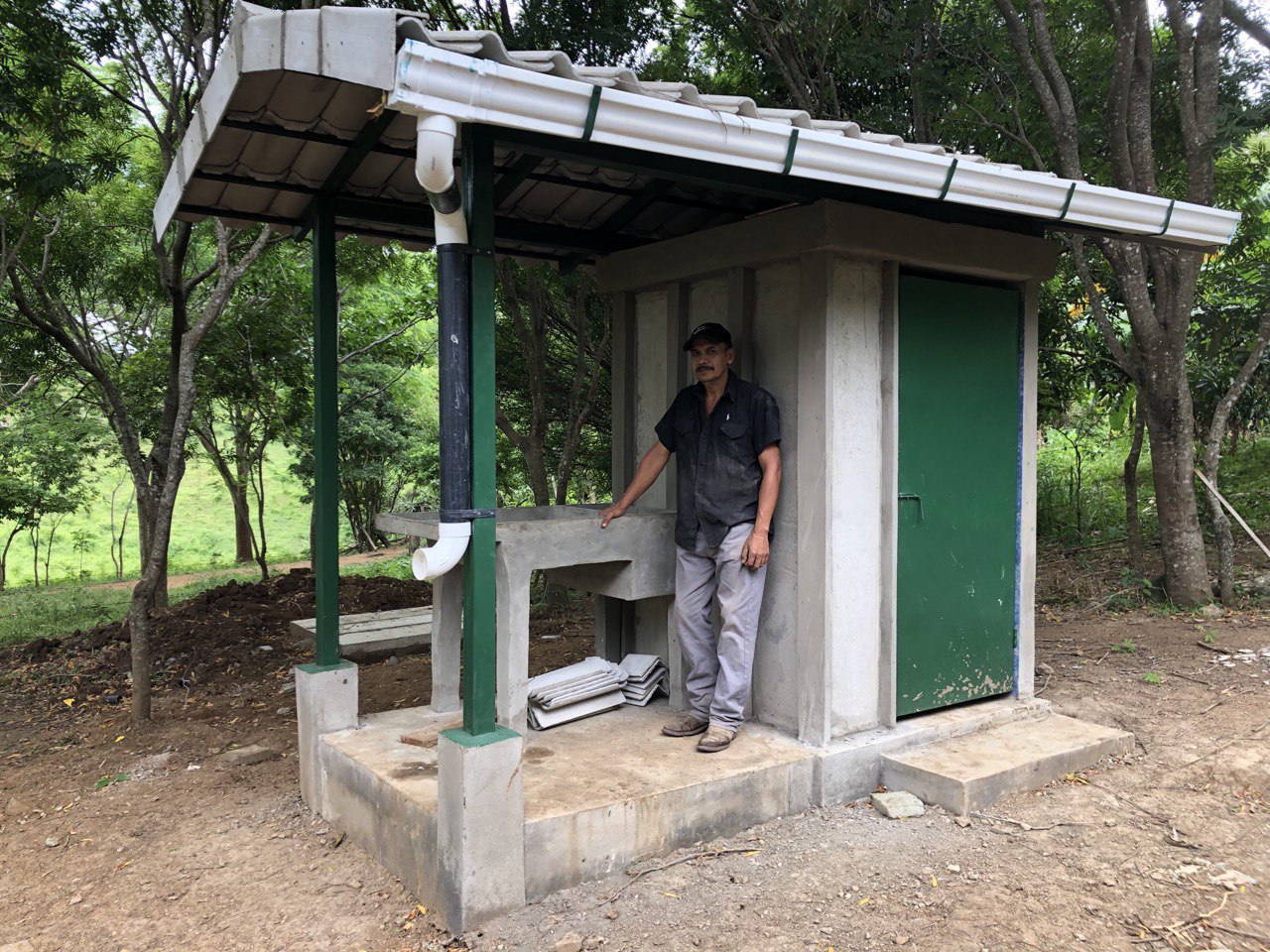
Ecological sanitation promotes alternatives to conventional sanitation systems, reducing water consumption and protecting the environment. These solutions are particularly valuable in rural communities and areas where access to water and sanitation infrastructure is limited.
2. Dry Toilets and Water-Saving Systems
One of the main approaches is the use of dry or low-water toilets, which reduce or eliminate the need for flushing water. These systems can be adapted to different local conditions and contribute to improving sanitation in communities without conventional sewer networks.
3. The Otji Dry Toilet System
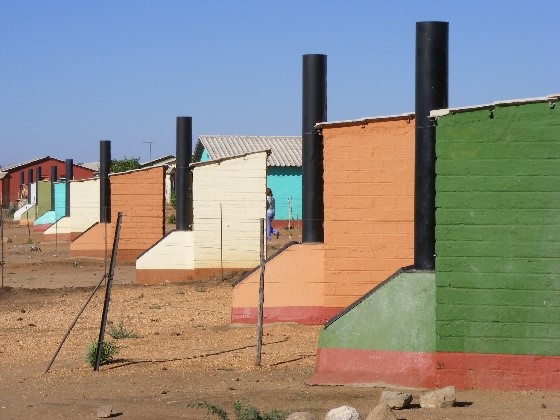
A key example promoted by EcoSur is the Otji Dry Toilet, developed by the Clay House Project in Otjiwarongo, Namibia. It was designed to provide an affordable and practical sanitation alternative, particularly in areas with limited access to water and sewerage infrastructure.
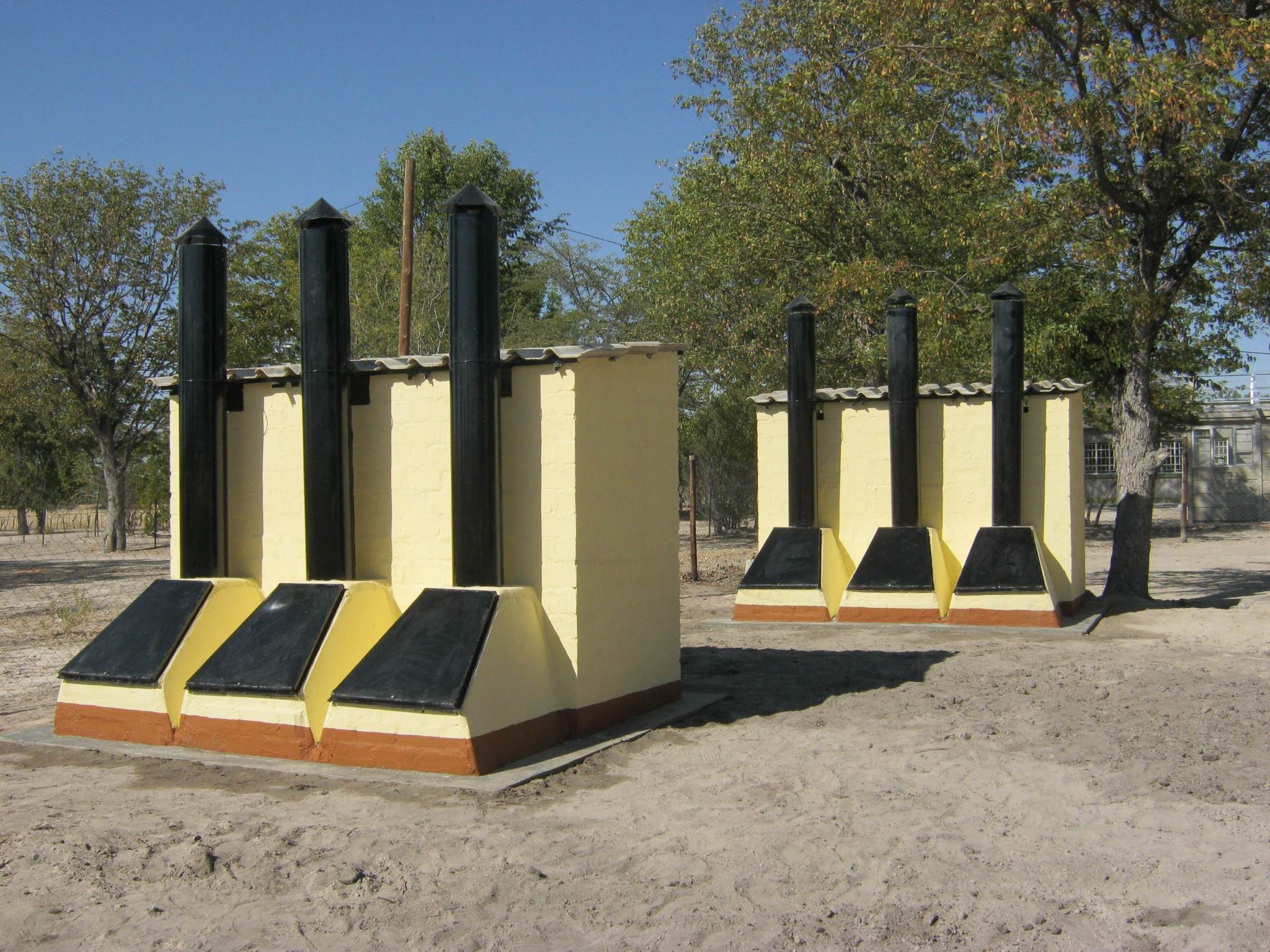
The system uses collection and storage chambers instead of conventional water flushing. Its design simplifies construction, cleaning and maintenance, making it suitable for local production.
4. Applications in Different Countries
EcoSur has facilitated the transfer of this technology between countries, adapting it to different climates and community conditions.
Namibia – Origin of the technology
The Clay House Project developed the Otji system in Otjiwarongo, where water scarcity and the absence of sewer networks created a need for alternative sanitation. The municipality adopted the technology in several neighborhoods, supported by organized maintenance services.
Ecuador – First application in Latin America
In 2007, EcoSur Ecuador built the first Otji dry toilet in Latin America, in Chimborazo Province, at approximately 2,800 meters above sea level. It was monitored for two years to evaluate its performance under the cold and humid conditions of the Ecuadorian highlands.
El Salvador – First application in Central America
In 2010, the first dry toilet in Central America was built in Tejutepeque, El Salvador, as part of a 60-house housing project promoted by the ACAMS cooperative and financed through EcoSur with support from DESWOS. The project also incorporated ferrocement panels, microconcrete roofing tiles and bricks.
Haiti – Technology transfer and local production
EcoSur planned the introduction of Otji toilets in Haiti through a local production workshop in Liancourt. The initiative included training young people in toilet construction and promoting local technical capacities, with support from specialists in Nicaragua, Cuba and Switzerland.
5. Urine-Diverting Dry Toilets (UDDT)
EcoSur also worked on the development of urine-diverting dry toilets (UDDT). This improvement separates urine from solid waste, facilitating the drying and handling of the collected material.
In Haiti, EcoSur technicians provided training in the production of concrete toilet bowls using fiberglass molds. These molds made it possible to manufacture components locally and transport them to construction sites.
6. Maintenance and Community Participation
The success of ecological sanitation depends not only on the technology but also on proper maintenance and user education.
The Otji system was designed to allow periodic servicing, generally twice a year, through organized municipal or local services. In Otjiwarongo, this approach helped establish a maintenance model involving trained service providers.
Community participation, hygiene education and clear maintenance responsibilities are essential to ensure that these systems remain functional over time.
7. Environmental and Social Benefits
Ecological sanitation offers several advantages:
-
Reduces the use of drinking water for toilet flushing.
-
Provides sanitation options where sewer networks are unavailable.
-
Can reduce infrastructure and operating costs in suitable locations.
-
Creates opportunities for local production and employment.
-
Encourages technical training and community participation.
The technology must nevertheless be adapted to local climate, groundwater conditions, user practices and the availability of maintenance services.