
Advancing Low-Carbon Cement: LC3 Feasibility Studies in Uruguay and Senegal
Assessing the Technical and Economic Feasibility of Low-Carbon Cement Production in Uruguay and Senegal
As part of a project submitted to the Klik Foundation and supported by GIZ (Deutsche Gesellschaft für Internationale Zusammenarbeit), the consulting team of Grupo Sofonías and the EcoSur Network is conducting a comprehensive feasibility study for the implementation of LC3 cement (Limestone Calcined Clay Cement) in Uruguay.
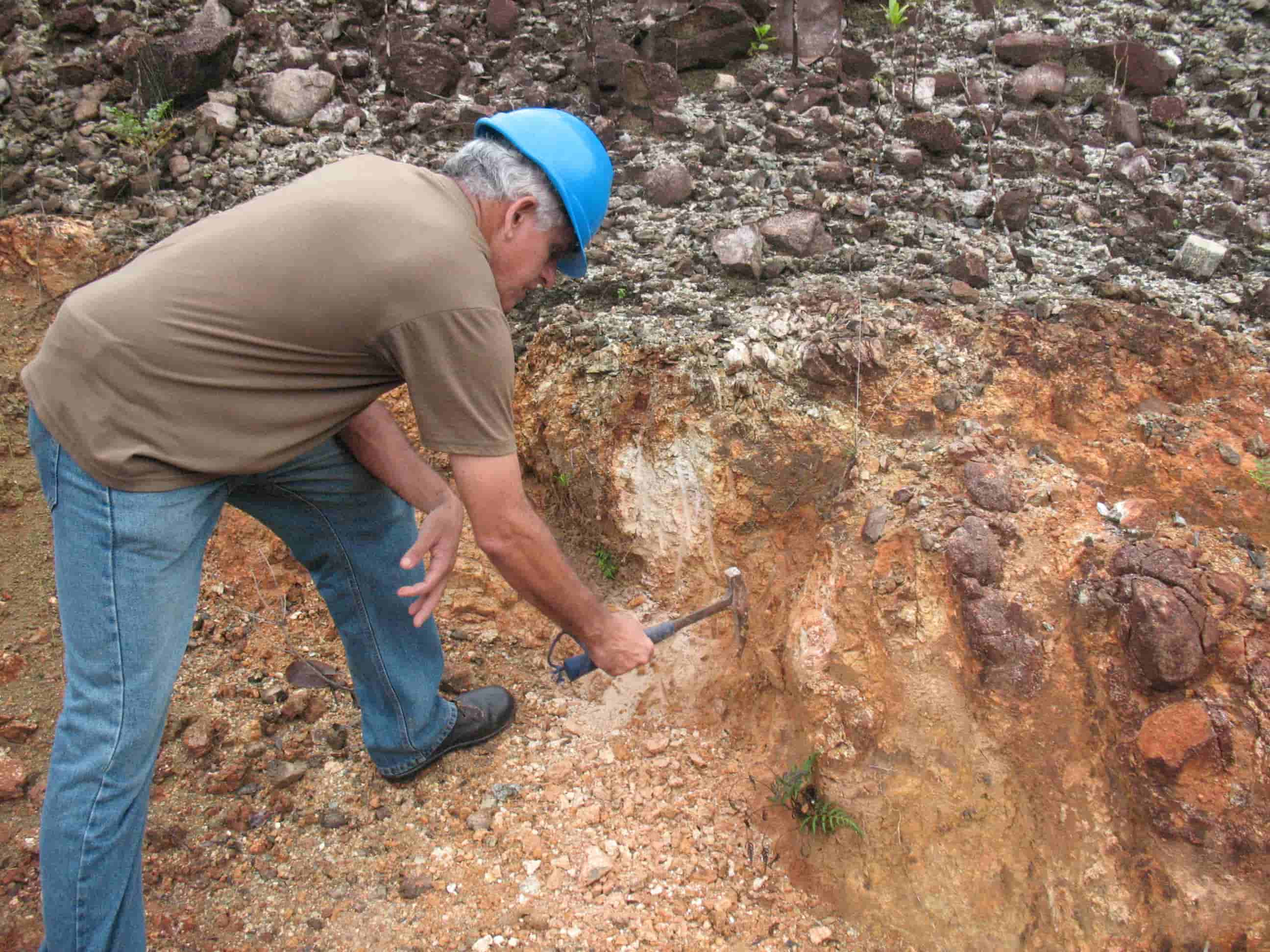
A Comprehensive Study to Transform Uruguay's Cement Industry
This pioneering study addresses several key dimensions of Uruguay's cement industry:
-
A detailed market analysis, including supply and demand dynamics and the mapping of key stakeholders.
-
An assessment of the regulatory framework for the production and adoption of low-carbon cements.
-
A technical evaluation of locally available clays for calcination and their suitability for LC3 production.
-
Preliminary designs for LC3 plants for two local cement companies, including detailed estimates of capital expenditure (CAPEX) and operating expenditure (OPEX).
-
Application of the ACM0005 carbon methodology to assess the potential for greenhouse gas emission reductions and explore opportunities for monetization through carbon markets.
In Uruguay, where the cement industry accounts for approximately 40% of industrial CO₂ emissions, LC3 represents a promising opportunity to reduce these emissions by up to 20%, using locally available materials and proven low-carbon technology.
This study lays the groundwork for collaboration with Uruguay's cement industry and paves the way for knowledge transfer and innovation through practical projects and product development using calcined clays.
We would like to express our sincere gratitude to all the stakeholders involved in this initiative, including the Ministry of Industry, Energy and Mining (MIEM); the National Directorate for the Environment (DINAMA), under the Ministry of Environment; the Uruguayan Institute of Technical Standards (UNIT); LATU Foundation (Latitud); the Catholic University of Uruguay; the Department of Materials Engineering and Mining of the Faculty of Engineering; the Faculty of Engineering of the University of the Republic; CIMSA; Cementos Artigas; the Uruguayan Construction Chamber; construction companies; the Ministry of Transport and Public Works; and construction industry associations.
Scaling Up the Impact: Similar Efforts in Senegal
In parallel, our team is conducting a similar LC3 feasibility study in Senegal. The study focuses on adapting the technology to local conditions, identifying suitable clay deposits, and working closely with cement producers and industry stakeholders to assess the feasibility and climate benefits of LC3 in the West African context.
We are excited to continue expanding our consulting services and contribute to the global transition towards low-carbon construction materials throughout 2025 and beyond.